


John Derek: The Life, Career, and Legacy of a Hollywood Icon
John Derek was born Derek Delevan Harris on August 12, 1926, in Hollywood, California. Growing up in a family deeply connected to the film industry shaped his early exposure to acting and filmmaking. His father, Lawson Harris, was an actor and director, while his mother, Dolores Johnson, was also an actress, making entertainment a natural path for him.
From a young age, Derek’s striking good looks set him apart and helped him attract attention in Hollywood. Talent scouts quickly noticed his appearance, which led to early opportunities in films. However, before fully stepping into the spotlight, he served in the United States Army during World War II, an experience that interrupted but did not derail his future career.
After returning from military service, Derek pursued acting more seriously. His background, combined with industry connections and natural charisma, helped him secure roles in films during the late 1940s. This period marked the beginning of a career that would later evolve into directing and photography.
Rise to Fame in Hollywood Acting
John Derek began gaining recognition in Hollywood with supporting roles in films that showcased his talent and screen presence. One of his early breakthrough roles came in Knock on Any Door (1949), where he starred alongside Humphrey Bogart. This performance helped establish him as a promising young actor in the film industry.
Throughout the late 1940s and 1950s, Derek appeared in several notable films, including All the King’s Men and The Ten Commandments (1956), where he played Joshua. These roles placed him among respected actors of the era and allowed him to work with renowned directors such as Cecil B. DeMille and Nicholas Ray.
Despite these opportunities, Derek himself admitted that acting was not his passion. He often expressed dissatisfaction with his performances and felt disconnected from the craft. This internal conflict eventually led him to explore other creative avenues within the film industry.
Transition from Acting to Directing
As his acting career began to slow in the 1960s, John Derek made a bold transition into directing. This shift allowed him to take creative control of his projects and pursue a different artistic direction. His first directorial work included films such as Once Before I Die (1966), signaling a new chapter in his career.
Derek’s directing style often reflected his personal interests, combining visual aesthetics with storytelling. However, many critics were not impressed with his films, which frequently received mixed or negative reviews. Despite this, he continued directing, demonstrating persistence and dedication to his vision.
His transition from actor to director also marked a significant change in how audiences perceived him. While he was once known for his on-screen performances, he became increasingly recognized for his behind-the-scenes work and creative control over film production.
Notable Films and Career Highlights
John Derek’s filmography includes both acting and directing credits, reflecting a diverse yet controversial career. As an actor, his role in The Ten Commandments remains one of his most memorable performances. The film itself became a classic, helping solidify his place in Hollywood history.
As a director, Derek created films such as Tarzan, the Ape Man (1981) and Bolero (1984). While these films attracted attention due to their bold themes and visual style, they were often criticized by reviewers. Nevertheless, some of them achieved commercial success, showing that his work resonated with certain audiences.
Another significant aspect of his career was his involvement in launching and promoting the careers of actresses, particularly his wives. His films often featured them in leading roles, blending his personal life with his professional projects.
Personal Life and High-Profile Relationships
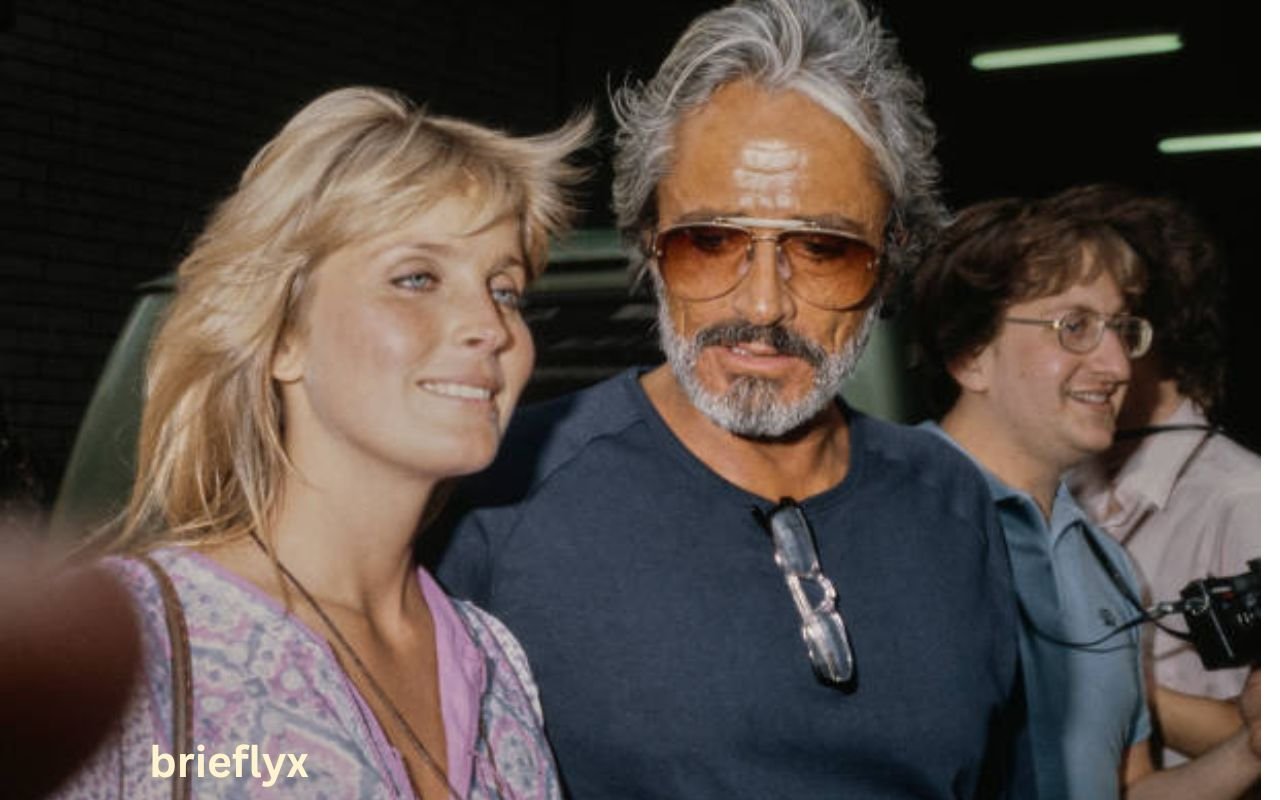
John Derek’s personal life attracted as much attention as his professional career. He was married four times, including to actresses Pati Behrs, Ursula Andress, Linda Evans, and Bo Derek. His relationships, especially with younger women, often became the subject of public discussion and controversy.
His marriage to Bo Derek is perhaps the most well-known. He met her when she was very young and later helped launch her career in Hollywood. Their relationship was widely covered by the media and contributed to his public image as a controversial figure.
Despite criticism, Derek remained committed to his relationships and often collaborated with his partners professionally. His personal life and career became deeply intertwined, influencing both his reputation and creative output.
John Derek as a Photographer and Creative Visionary
Beyond acting and directing, John Derek was also an accomplished photographer. His work often focused on capturing the beauty and charisma of his subjects, particularly the women he worked with. He gained recognition for photographing his wives for magazine spreads, including features in Playboy.
Photography allowed Derek to express his artistic vision in a different medium. His style emphasized visual appeal, composition, and mood, reflecting his understanding of cinematic aesthetics. This aspect of his career further demonstrated his versatility as a creative professional.
Although his photographic work sometimes sparked controversy due to its sensual nature, it also contributed to his reputation as a bold and unconventional artist. His ability to blend visual storytelling with personal expression set him apart from many of his contemporaries.
Challenges, Criticism, and Controversies
John Derek’s career was not without challenges and criticism. Many of his films were negatively reviewed, with critics often questioning their artistic value. Some accused him of prioritizing style over substance, particularly in projects that featured his wives in leading roles.
His personal life also drew scrutiny, especially regarding his relationships and the age differences between him and his partners. These controversies sometimes overshadowed his professional achievements, shaping public perception of his legacy.
Despite these challenges, Derek continued to pursue his creative interests. His willingness to take risks and follow his vision, even in the face of criticism, highlights his determination and resilience within the entertainment industry.
Later Years and Death
In his later years, John Derek remained active in filmmaking and creative projects. His final directorial work, Ghosts Can’t Do It (1990), marked the end of his career in cinema. Although it did not achieve critical success, it reflected his continued dedication to filmmaking.
Derek spent his final years with his wife, Bo Derek, maintaining a relatively private life away from the spotlight. His influence on her career remained evident, as she continued to be recognized as a prominent figure in Hollywood.
He passed away on May 22, 1998, at the age of 71 due to heart-related issues. His death marked the end of a complex and multifaceted career that spanned several decades.
Read More: Ludvig Åberg Wife: The Truth About His Relationship, Girlfriend, and Personal Life
Legacy and Impact on Hollywood
John Derek’s legacy in Hollywood is both significant and controversial. While he may not be remembered as one of the greatest actors or directors, his influence on the industry is undeniable. His work, particularly in promoting and shaping the careers of actresses, left a lasting impression.
He is often remembered for his unique approach to filmmaking and his emphasis on visual storytelling. His contributions as a photographer and director added depth to his career, showcasing his artistic versatility.
Today, John Derek remains a figure of intrigue in Hollywood history. His life story reflects the complexities of fame, creativity, and personal choices, making him a subject of ongoing discussion and analysis in film culture.