




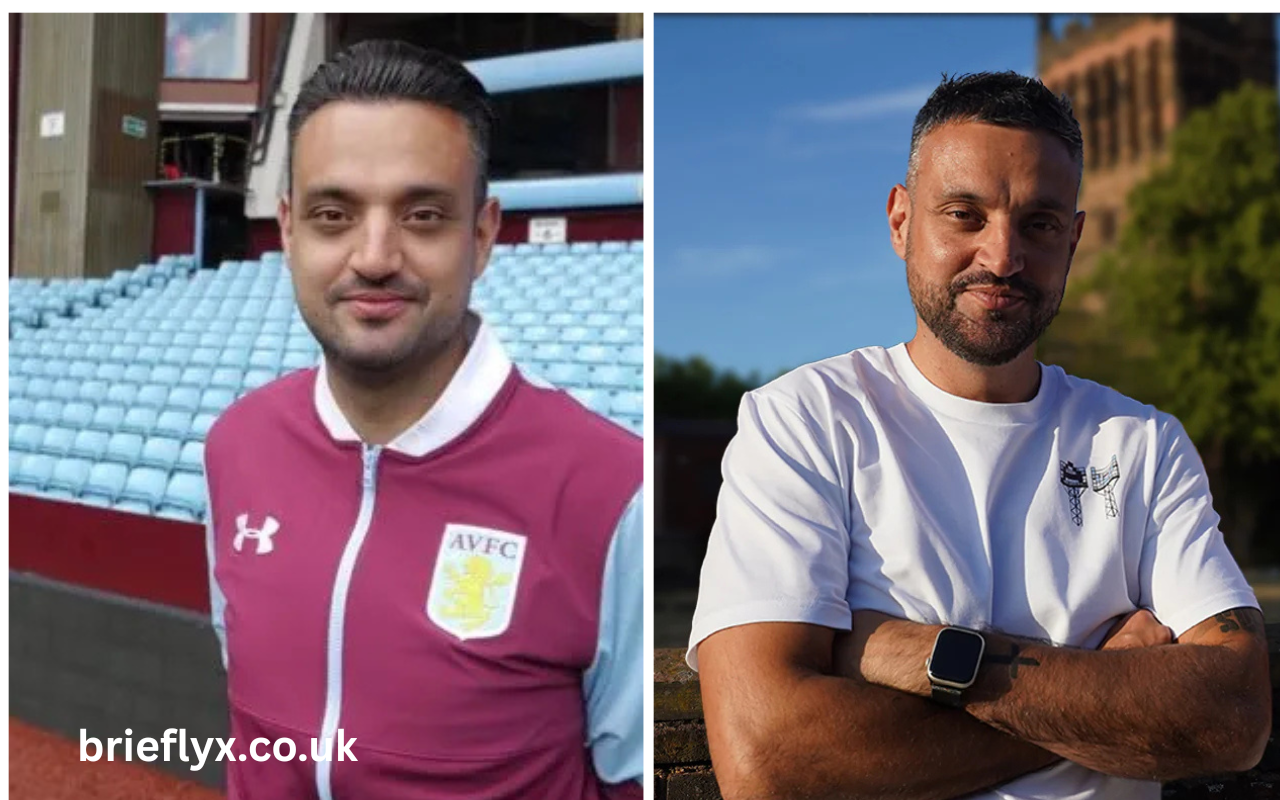
Dan Bardell A Journey from Fan Media to Football Broadcasting Stardom
The Early Years: Dan Bardell’s Football Passion
Dan Bardell’s journey into football broadcasting began long before he ever appeared on national television. Growing up in Birmingham, he developed a love for Aston Villa Football Club, a passion that would later become the cornerstone of his career. As a child, Bardell often found himself attending Villa matches with his family, forming a connection to the game that was more than just about winning or losing. It was about the emotional experience that football provided— the community, the highs, and the lows. His experiences as a supporter gave him an authenticity that would later resonate with his audience as he transitioned into media.
During his school years, Bardell was an enthusiastic participant in sports and engaged deeply with the technical aspects of the game, particularly football tactics and match strategies. This foundation allowed him to view the game analytically, sharpening his understanding of the sport beyond just a fan’s perspective. While his peers were content with being fans, Bardell started considering how he could contribute to the conversation in a more professional capacity. This curiosity and analytical approach set the stage for his eventual career in media.
Bardell’s early days as a fan ultimately paved the way for his career in sports media. His childhood and teenage years were marked by a growing desire to engage with football in a more meaningful way, and this led to him seeking out opportunities to break into media. The experiences he had while attending games, reading match reports, and discussing football with friends shaped his unique perspective on the sport, preparing him for what would be a rewarding career as a broadcaster.
The Transition to Fan‑Made Content
Before Dan Bardell became a well-known face in broadcast media, he began his career in the world of fan media. Recognizing the growing influence of digital platforms, he started creating YouTube content and podcasts centered around Aston Villa football club. This was a pivotal moment for Bardell, as it allowed him to combine his love for the game with his emerging passion for content creation. The platform provided an opportunity to speak directly to fellow Villa supporters and other football fans, giving Bardell a voice that was genuine and rooted in personal experience.
Working on The Villa View, a fan‑based YouTube channel focused on Villa FC, was one of the key milestones in Bardell’s early career. On this platform, he offered match analysis, player performance reviews, and opinion pieces about the club. These videos provided fans with a fresh and insightful perspective on Aston Villa, and it was evident that Bardell’s analysis was both informed and passionate. This connection to real football supporters allowed him to develop a style that felt more like a conversation than a formal analysis. His ability to speak the language of football fans while also offering detailed insights helped him gain a loyal following.
This fan‑focused approach became the foundation upon which Bardell would build his future career. While fan content is often seen as informal, Bardell used his platform to demonstrate that fans can offer valuable perspectives on the sport. His unique position as both a season ticket holder and a content creator allowed him to speak with authority while remaining relatable. The success of his fan‑media work caught the attention of more prominent media outlets, eventually leading to his transition into mainstream football broadcasting.
Breaking Into Mainstream Football Media
Dan Bardell’s transition from fan content creator to mainstream media figure was a gradual yet rewarding process. As his reputation grew, he began contributing to The Athletic, one of the UK’s leading sports media platforms. His role on The Athletic’s Villa podcast introduced him to a broader audience of football enthusiasts who appreciated his insights and engaging style. Bardell’s ability to break down football analysis while maintaining the passion and energy of a fan proved to be a winning combination. This was the beginning of his move from the digital world of fan media to the more traditional realms of television broadcasting and radio.
Soon, Bardell’s work on podcasts led to his first major opportunities in television, where he became a regular voice on Sky Sports News and Talksport. As a freelance broadcaster, Bardell took on various roles, including match previews, transfer discussions, and football analysis for top outlets. His ability to seamlessly shift between platforms— podcasting, live television, and radio— demonstrated his versatility and talent as a football presenter. It was clear that Bardell had mastered the art of communicating with both casual football fans and more dedicated followers of the sport.
His role in these prominent football platforms allowed Bardell to become more than just a fan voice. He became a credible football analyst and presenter who could talk with authority on the game while also appealing to a broad range of audiences. This phase in his career was crucial for building a well-rounded skill set that would enable him to continue expanding his career in football broadcasting.
Developing a Distinct Broadcast Style
Dan Bardell is known for his approachable and engaging style of presenting, which has made him a fan favourite in football media. Unlike many formal analysts who lean heavily on jargon and technical details, Bardell takes a more relatable approach. He has the ability to translate complex football concepts into digestible information that everyone can understand. His style isn’t just about the information; it’s about how he delivers it — with clarity, energy, and enthusiasm, making him a standout presenter in the football media world.
Bardell’s ability to balance in‑depth analysis with lighthearted commentary is one of the key reasons he has become so popular. His background in fan content is evident in his presentation style, as he speaks to viewers as though they are old friends discussing the latest game over a pint. This style makes his content accessible to casual viewers while still providing enough insight for more seasoned football fans. Whether he’s discussing a tactical shift or highlighting key moments from a match, Bardell’s blend of authenticity and knowledge makes him an engaging presence in the football media space.
Another standout feature of Bardell’s broadcasting style is his balanced tone during high‑pressure discussions. Whether covering a transfer deadline day frenzy or analysing a controversial match decision, Bardell remains calm and measured, providing clear perspectives while avoiding sensationalism. His ability to maintain composure in the face of breaking news and intense football debates has earned him respect from his colleagues and audiences alike.
Expanding into New Media Platforms
As a freelance broadcaster, Dan Bardell’s ability to expand into different media platforms has been a defining aspect of his career. In addition to his television and radio roles, Bardell has become a regular contributor to football podcasts, particularly those dedicated to Aston Villa and broader Premier League coverage. Podcasts have become a powerful tool for reaching dedicated football audiences, and Bardell has capitalized on this by offering regular, insightful commentary on Villa and footballing matters. This expansion into new media formats has helped him build a more diverse and engaged audience.
Bardell also utilizes social media platforms to further connect with fans. His Twitter account, for instance, has become a hub for football discussions, where he offers live reactions during matches, shares insights, and engages with fellow football fans. This direct interaction with his audience helps reinforce his connection to the football community, as fans appreciate his willingness to engage with them on a personal level.
In addition to social media and podcasts, Bardell’s growth has seen him collaborate with other influencers in the football world. By collaborating on podcasts and video content, he has amplified his reach and exposed his unique style to a wider audience. These collaborations have played an essential role in establishing Bardell as a recognized football voice who understands not only the game but the importance of audience engagement in the digital age.
Challenges in Football Broadcasting
Despite his success, Dan Bardell has faced his share of challenges as he navigated the competitive world of football broadcasting. One of the biggest obstacles for any football broadcaster is balancing the analysis of football with entertainment. It’s easy to get lost in the statistics, but Bardell has managed to keep his commentary entertaining and insightful. However, achieving this balance requires constant work and adaptation, especially as audience expectations continue to evolve.
Another challenge Bardell has faced is dealing with the intense pressures of working on live television. The unpredictable nature of live sports broadcasting means that broadcasters must react quickly to events, sometimes having to improvise or change their planned commentary on the fly. As a broadcaster, this can be challenging, but Bardell has honed the ability to think on his feet, a skill that is essential for anyone in the fast-paced world of football media.
Additionally, the rise of digital platforms means that football broadcasters are expected to create content that engages a wide variety of audiences. This shift has posed a challenge for many traditional media outlets as they compete with independent content creators. However, Bardell’s adaptability and willingness to embrace digital media has helped him maintain his relevance in a rapidly changing media landscape.
Dan Bardell’s Influence on the Football Media Industry
Dan Bardell has had a profound influence on the football media industry, particularly in how fans engage with football commentary. By making the transition from fan media to mainstream broadcasting, Bardell demonstrated how powerful authentic fan voices can be in a traditionally professional space. His ability to speak the language of football fans, while providing valuable insights, has set a new standard for how fan‑centric broadcasting can be done professionally.
Furthermore, Bardell’s approach to football broadcasting has influenced how football media adapts to new technological changes. With the increasing importance of social media, podcasts, and digital video content, Bardell has helped lead the way for other broadcasters to engage with audiences in a more interactive, personal, and immediate way. His success shows how football content creators can leverage digital platforms while staying true to their roots in sports media.
Bardell’s continued success is a testament to the changing landscape of football broadcasting, where traditional media and new digital platforms coexist. His ability to bridge the gap between these two worlds allows him to remain a prominent figure in football media and continue shaping the way football is discussed and consumed.
The Future of Dan Bardell’s Career
Looking ahead, Dan Bardell’s career shows no signs of slowing down. His ability to engage with diverse football audiences through various platforms suggests that he will continue to be an influential figure in UK football broadcasting. As he continues to expand his work on Sky Sports News, Talksport, and other major platforms, it’s clear that Bardell’s unique blend of passion, professionalism, and insight will continue to propel his career forward.
Additionally, Bardell’s versatility across television, radio, and digital media will allow him to pursue new and exciting opportunities in the future. His work with podcasts and his strong social media presence suggest that he will continue to evolve alongside the football media industry, remaining adaptable and open to emerging trends in sports journalism.
The future is bright for Dan Bardell, as he continues to grow his influence and make valuable contributions to the world of football broadcasting. His career trajectory reflects not only his talent but his ability to connect with audiences and adapt to the changing needs of the sports media landscape.