


how Old Is Billy Idol Age, Birthday, Career, and Life Story of the Rock Legend
Early Life and Birth Details
Billy Idol was born on November 30, 1955, in Stanmore, England. His real name is William Michael Albert Broad, and he later adopted the stage name how old is billy idol “Billy Idol” during his early punk rock days.
As of 2026, Billy Idol is 70 years old. His birth places him among the most influential musicians of the late 20th century who successfully transitioned from punk rock to mainstream global fame.
From a young age, he experienced a mix of British and American cultural influences due to his family moving between the UK and the United States. This exposure later shaped his musical style and stage persona.
How Old Is Billy Idol Today
The most common question fans search is “how old is Billy Idol today,” and the answer depends on the current year. Since he was born on November 30, 1955, his age increases every November 30.
In 2026, he is 70 years old, having recently celebrated his milestone birthday in late 2025. Despite his age, he remains active in music, touring, and public appearances.
His longevity in the music industry is rare, as he continues performing decades after his initial rise to fame in the late 1970s and 1980s.
Childhood and Early Influences
Billy Idol grew up in a working-class family, with his father working as a salesman. His early childhood included time in both England and the United States, which exposed him to different cultural environments.
As a teenager, he became interested in the emerging punk rock movement in London. This interest led him to drop out of university and pursue music full-time, eventually joining the punk scene.
These early experiences shaped his rebellious image and energetic performance style, which later became his signature identity in rock music.
Rise to Fame in Punk and Rock Music
Billy Idol first gained attention as the lead singer of the punk band Generation X in the late 1970s. The band was part of the early British punk movement that challenged mainstream music norms.
After the band split, he launched a solo career that blended punk attitude with rock and pop elements. This transition helped him reach a global audience, especially during the MTV era of the 1980s.
Songs like “White Wedding,” “Rebel Yell,” and “Dancing with Myself” became international hits and defined his career as a solo artist.
Global Success and MTV Era Fame
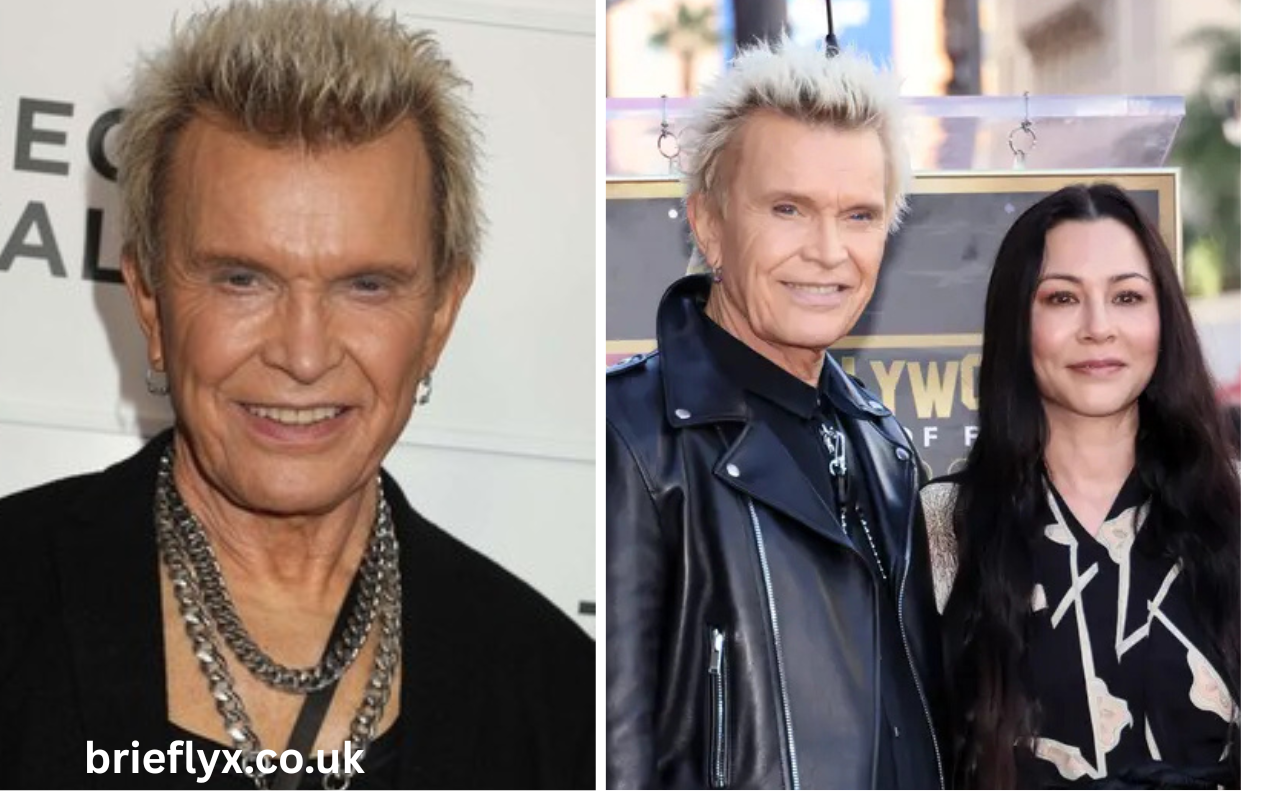
During the 1980s, Billy Idol became one of the most recognizable faces on MTV. His leather jackets, spiked hair, and signature sneer made him a visual icon of rock music.
His music videos played a major role in his success, as MTV helped artists connect visually with global audiences. This era established him as one of the leading figures of rock-pop crossover music.
He became part of what is often called the “Second British Invasion,” where British artists dominated American music charts and media.
Challenges, Health Issues, and Comebacks
Despite his success, Billy Idol faced several personal and health challenges throughout his life. These included addiction struggles and a serious motorcycle accident in 1990 that nearly ended his career.
He later described his lifestyle during the peak of fame as chaotic and self-destructive, which affected both his personal and professional life.
However, he made several comebacks, returning to music in the 2000s with renewed focus and energy, proving his resilience as an artist.
Later Career and Continued Relevance
Read More : Rupert Grint Height How Tall Is the Harry Potter Star in 2026?
In the 2000s and beyond, Billy Idol continued releasing albums and touring internationally. His later works showed a more mature artistic direction while still maintaining his classic rock identity.
He collaborated with modern musicians and continued performing live shows, proving his music still resonates with new generations of fans.
Even in his 60s and 70s, he remains active in the music industry, showing rare longevity among rock musicians of his era.
Legacy and Cultural Impact
Billy Idol’s influence on rock music is widely recognized. He helped bridge punk rock and mainstream pop-rock, creating a style that remains influential today.
He is remembered not only for his music but also for his iconic visual identity, which became a symbol of 1980s rock culture.
His continued relevance in modern music discussions shows that his impact goes beyond age, making him a lasting figure in global music history.